

What is infiltration in the wall?
Wall infiltration is one of the most common problems in houses and apartments. In addition to causing stains and mold, it can compromise the structure of the property and generate high costs with renovations. In this complete guide, you will discover the main causes of infiltration, how to identify the first signs, and which solutions really work to eliminate the problem definitively.
In addition to damaging the appearance of the house, infiltration can affect the health of the inhabitants and decrease the value of the property.
Main causes of wall infiltration
1. Hidden leaks
Damaged pipes inside the wall can allow water to spread slowly through the masonry.
2. Lack of waterproofing
Properties without adequate waterproofing are more vulnerable to moisture from the soil, rain, and humid areas.
3. Rain
Facades with cracks or cracks allow rainwater to enter.
4. Roof problems
Broken tiles, clogged gutters, and failures in the coverage can cause internal infiltrations.
5. Rising damp
The water from the soil rises through the walls by capillarity, causing stains near the floor.
How to identify wall infiltration
The most common signs include:
- Dark or yellowish stains
- Mold and mildew
- Bad smell of moisture
- Peeling paint
- Crumbly plaster
- Bubbles in the paint
- Efflorescence (white powder on the wall)
The sooner the problem is identified, the lower the repair cost will be.
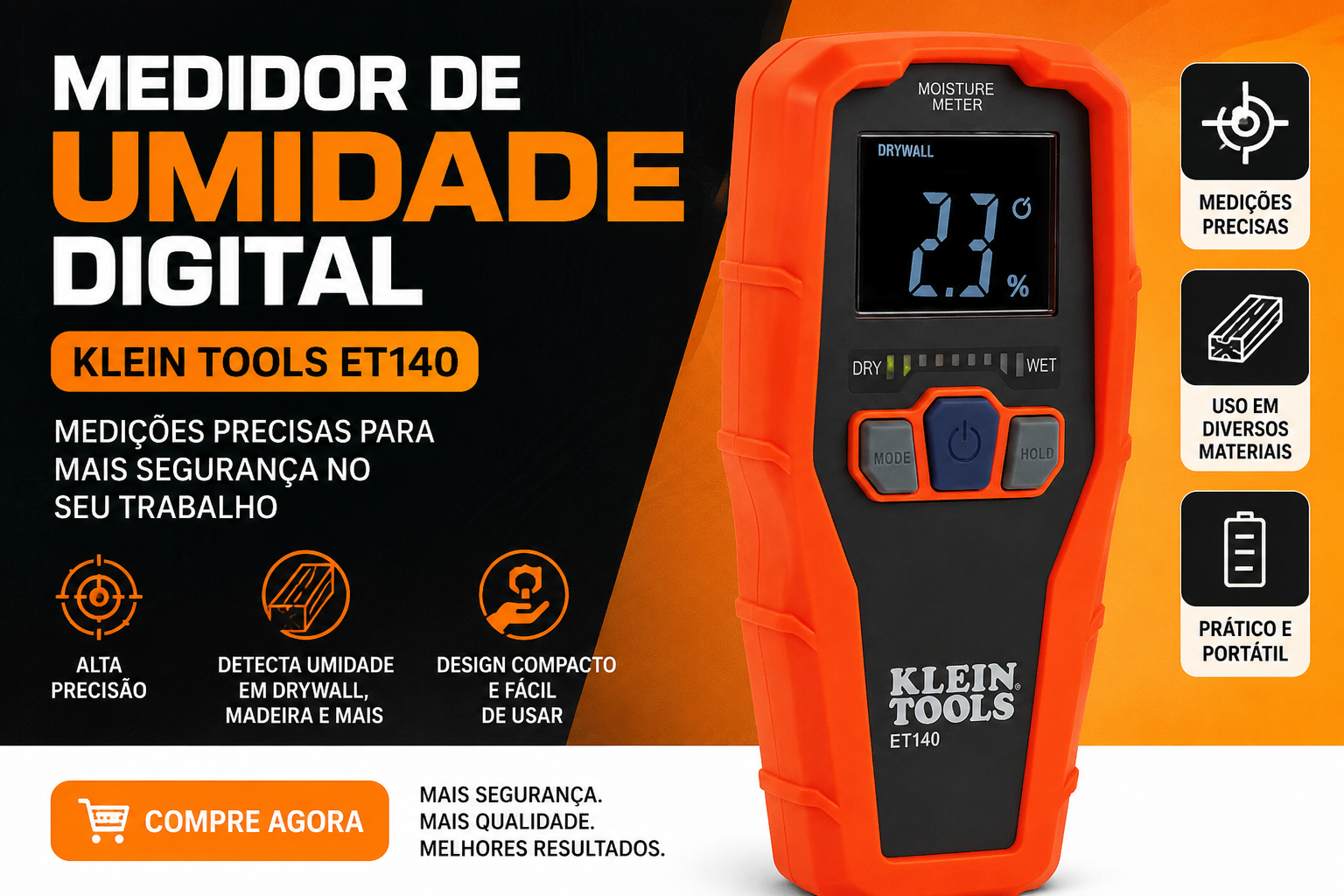
The ET140 moisture meter allows identifying hidden infiltrations behind the paint before the problem worsens.
Can infiltration cause health problems?
Yes.
The constant presence of moisture favors the protection against fungi and bacteria, which can cause:
- Allergies
- Rhinitis
- Sinusitis
- Respiratory problems
- Asthma attacks
Children and the elderly are usually the most affected.
How to solve wall infiltration
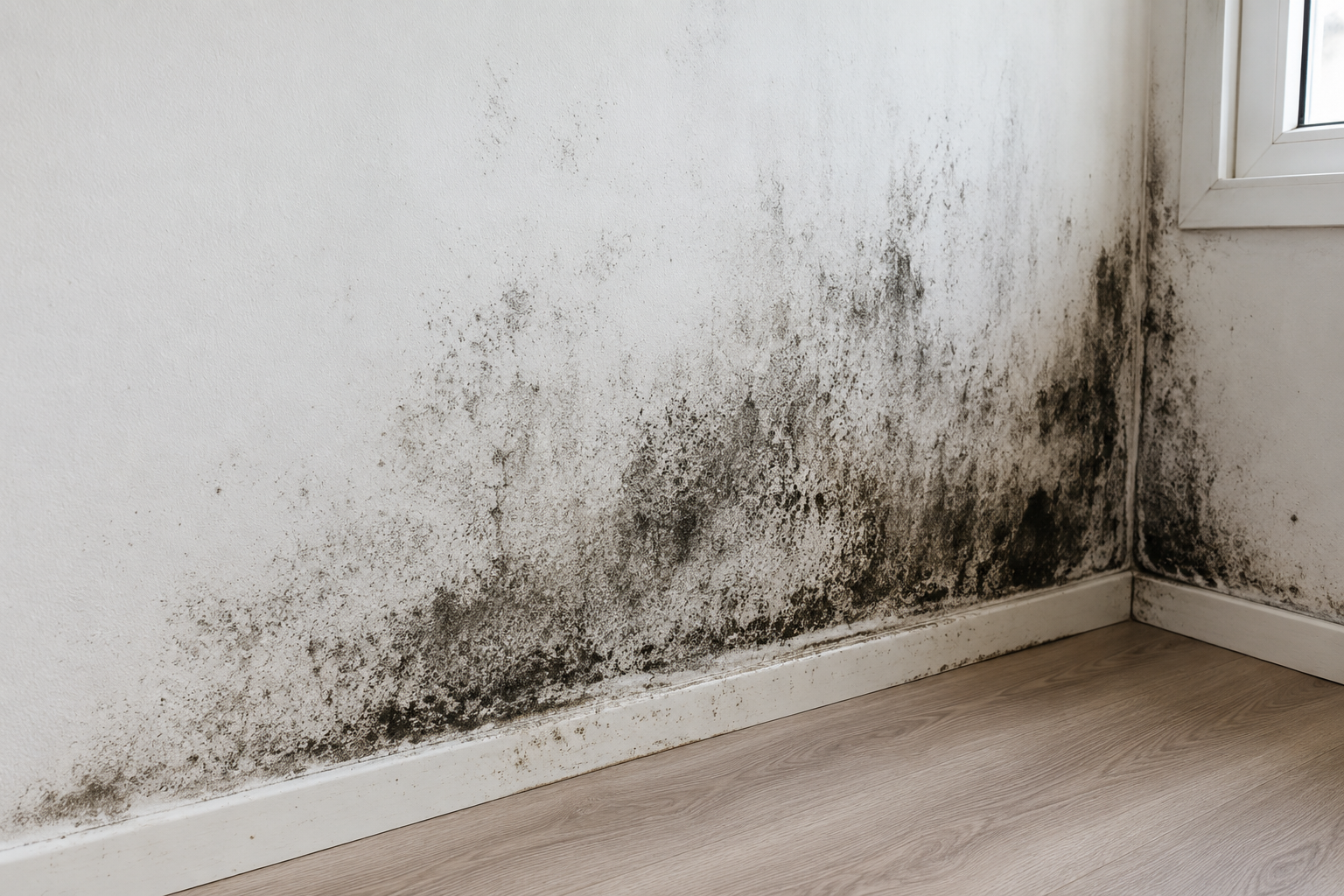
Step 1: Discover the randomness
Before painting or reforming, it is essential to identify the cause of the infiltration.
Step 2: Correct the problem
Depending on the origin, it may be necessary to:
- Replace pipes
- Repair tiles
- Clean gutters
- Apply waterproofing
- Correct
Step 3: Remove compromised plaster
In severe cases, the damaged plaster should be removed.
Step 4: Apply waterproofing
Use specific products to block water entry.
Step 5: Finish
After complete drying, apply mass, sealer, and suitable paint.
How to avoid wall infiltration
Some simple measures help prevent the problem:
- Perform periodic inspections on the roof.
- Clean gutters regularly.
- Correct cracks quickly.
- Use quality waterproofing.
- Check for possible hydraulic leaks.
When to call a professional?
If the infiltration persists even after small repairs, returns after painting, or presents signs such as mold, cracks, peeling paint, and bad smell, it is advisable to request a specialized evaluation.
A professional can identify the exact origin of the problem, whether it is caused by hidden leaks, failures in waterproofing, rain infiltration, or rising damp, avoiding unnecessary expenses with temporary solutions.
Textucor Paints performs evaluations and services of waterproofing, recovery of walls with infiltration, and residential painting in Mongaguá, Praia Grande, and Itanhaém. Contact us to request a quote without commitment.
Frequently Asked Questions about Wall Infiltration
How to know if the infiltration comes from the rain or a leak?
Generally, infiltrations caused by rain appear or worsen after rainy periods. Leaks, on the other hand, usually cause constant stains, regardless of the weather. A professional inspection can identify the exact origin.
Can wall infiltration cause health problems?
Yes. Moisture favors the appearance of mold and fungi, which can trigger allergies, respiratory irritations, and worsen diseases like asthma and rhinitis.
Is it possible to paint a wall with infiltration?
It is not recommended. Painting can temporarily hide the problem, but moisture will continue to damage the wall. It is best to eliminate the cause of the infiltration before painting.
How much does it cost to recover a wall infiltration?
The cost varies depending on the cause of the problem, the affected area, and the type of repair needed. Small repairs are usually cheaper, while structural problems may require a larger intervention.
What is the best solution for wall infiltration?
The best solution depends on the origin of the infiltration. It may involve repairing leaks, waterproofing, correcting cracks, or maintaining the roof.
When should I call a professional?
If the infiltration persists after a repair attempt, if there is recurrent mold, cracks, or extensive damage to the wall, it is advisable to hire a specialist to perform a complete evaluation.
Can the infiltration return after the repair?
Yes, if the main cause is not eliminated correctly. Therefore, it is essential to identify the origin of the problem and use suitable materials for the repair and waterproofing.
Conclusion
Wall infiltration should not be ignored. The sooner the problem is treated, the less damage and repair costs will be. Identifying the origin of the water and agreeing on the cause is the safest way to protect your home and family.
Preventive maintenance can avoid losses and increase the useful life of the paint and the property's structure.