
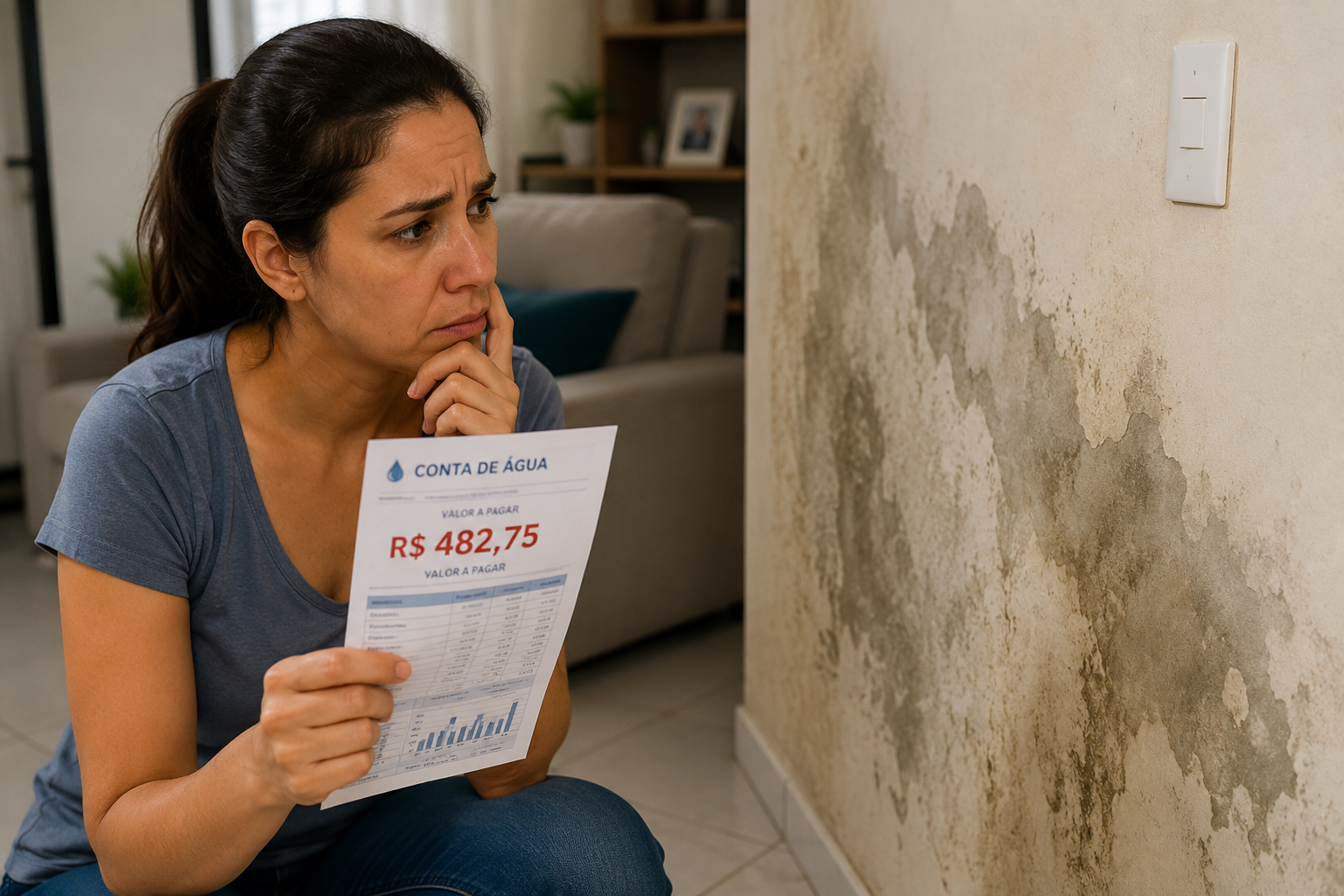
You opened your water bill and got a shock? If the value increased without apparent reason, there is a possibility that many owners ignore: a hidden leak.
Different from visible leaks in faucets or showers, hidden leaks occur inside walls, floors, slabs, and underground pipes. Because they are hidden, they can remain for months causing water waste, seepage, mold, and even structural damage to the residence.
In this complete guide, you will discover how to identify hidden leaks, what are the most common signs, and what to do to avoid greater losses.
What is a Hidden Leak?
A hidden leak is any water leak that occurs in places that are not visible in everyday life.
The most common examples include:
Pipe leaking inside the wall;
Leak under the floor;
Broken underground piping;
Hidden connections with defects;
Leak in embedded drain boxes;
Leak in slabs.
The big problem is that the water continues to escape, increasing consumption and causing seepage.
How to Know if There is a Hidden Leak?
Many people only discover the problem when they receive a very high water bill.
However, there are several signs that can indicate the presence of a hidden leak.
1. Very High Water Bill
This is the most common symptom.
If the bill value has increased significantly and your consumption habits remain the same, it is worth investigating.
Often, a small leak can waste hundreds of liters of water per month.
How to Compare Consumption
Observe the last bills.
Compare:
Current consumption;
Consumption of previous months;
Consumption of the same period last year.
Expressive differences can indicate leakage.
2. Water Meter Spinning Even with Everything Closed
This is one of the most reliable tests to discover water leakage.
How to Do the Water Meter Test
Close all faucets.
Turn off machines that use water.
Check if no one is using water.
Observe the water meter.
If it continues to record consumption, there is a strong possibility of leakage.
3. Damp Spots on the Wall
Humidity usually is one of the first visible signs.
The spots can appear:
Behind furniture;
Near the baseboard;
In corridors;
On external walls.
Besides the unpleasant appearance, these spots indicate that water is penetrating the structure.
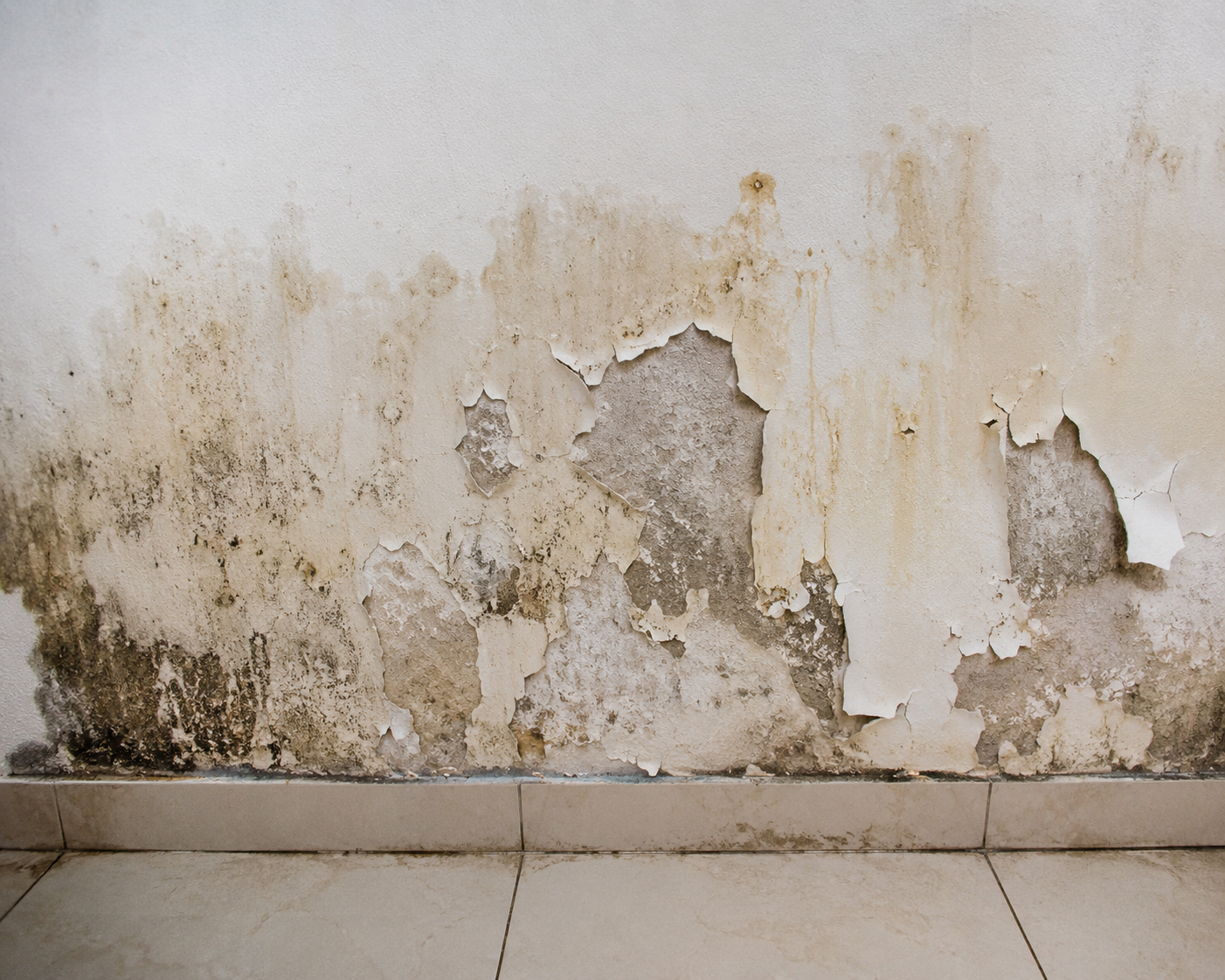
4. Mold Appearing Frequently
Mold is another classic sign.
When there is excess moisture inside the wall, the environment becomes ideal for the growth of fungi.
The signs include:
Dark spots;
Bad smell;
Green or black dots;
Frequent allergies.
Many people clean the mold several times without realizing that the origin of the problem is a hidden leak.
5. Peeling Paint
When water seeps into the masonry, the paint loses adhesion.
The most common signs are:
Bubbles in the paint;
Peeling;
Gypsum coming off;
Coatings peeling off.
If this happens repeatedly, there may be a problem with the piping.
6. Floor Always Wet
Have you ever noticed a damp area without explanation?
This can indicate a leak under the floor.
The signs include:
Floor always cold;
Grout darkened;
Damp areas without recent washing.
This type of leak usually requires quick attention.
7. Sound of Running Water
In quiet environments, try to listen carefully.
If there is a leak, you can notice:
Sound of water passing;
Noises behind the wall;
Small cracks caused by pipe pressure.
This symptom is more common at night.
How to Find a Hidden Leak in the Wall
One of the most frequent searches on Google is "how to find a hidden leak in the wall".
Some clues help:
Damp Wall
The surface can feel cold to the touch.
Bubbled Paint
The accumulated water pushes the paint layer.
Frequent Mold
Even after cleaning.
Bad Smell
The accumulated moisture produces a characteristic odor.
How to Find a Hidden Leak in the Floor
Underground leaks can be more difficult to identify.
The signs include:
Wet floor;
Ceramics loosening;
Grout darkened;
Water appearing without explanation.
In these cases, specific equipment may be required.
How Much Can a Hidden Leak Increase the Bill?
Many people underestimate the impact.
A small water leak can waste thousands of liters over the month.
Depending on the size of the leak, the bill value can double or even triple.
What to Do When Finding a Hidden Leak?
As soon as you identify the problem:
Close the valve.
Locate the source.
Avoid breaking walls unnecessarily.
Assess the severity.
Consider professional help.
The sooner the repair is done, the smaller the damages will be.
Mistakes That Worsen Leaks
Ignoring the First Signs
Many people wait for the problem to increase.
Just Painting the Wall
Painting hides the symptoms but does not solve the cause.
Not Checking the Water Meter
This simple test can quickly reveal problems.
Delaying the Repair
The longer the water seeps, the greater the losses.
How to Avoid Hidden Leaks
Prevention is the best solution.
Do Regular Inspections
Observe:
Walls;
Ceilings;
Floors;
External areas.
Check the Water Bill
Monitor the monthly consumption.
Fix Small Leaks
Simple problems can quickly evolve.
Do Preventive Maintenance
Especially in older properties.
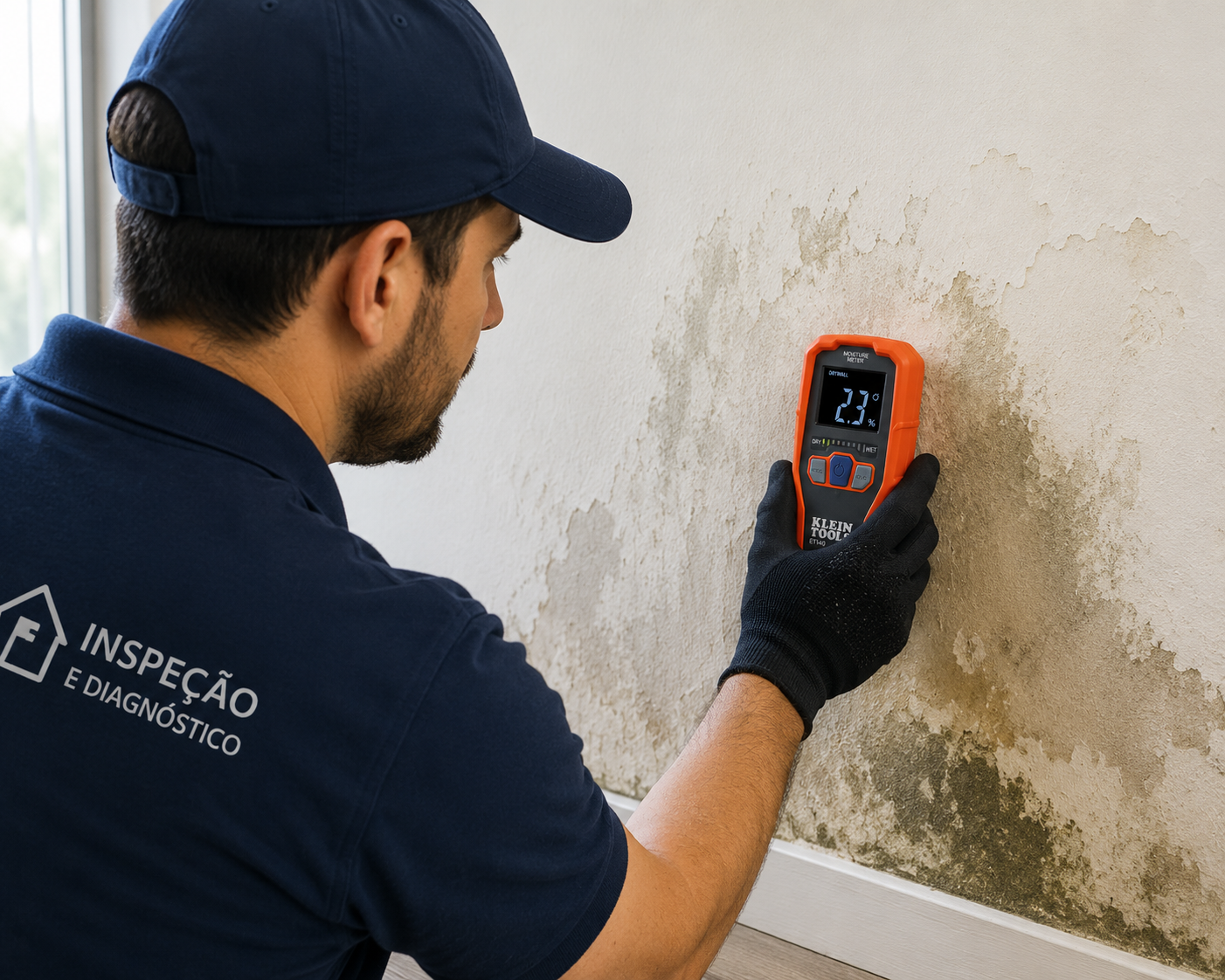
Recommended Tool to Identify Moisture

There are moisture meters that help detect areas with excess water before the damage becomes visible.
Benefits
✅ Quick identification of damp areas
✅ Easy to use
✅ Helps in prevention
✅ Can reduce renovation costs
Frequently Asked Questions
How to Know if I Have a Hidden Leak?
Observe signs like increased water bill, damp spots, mold, and water meter recording consumption even with everything closed.
How to Find a Hidden Leak in the Wall?
Look for spots, bubbles in the paint, frequent mold, and a feeling of cold wall.
Can a Hidden Leak Cause Seepage?
Yes. It is one of the main causes of residential seepage.
Can a Small Leak Increase the Bill?
Yes. Even small leaks can generate significant waste over the month.
How to Find a Underground Leak?
The signs include wet floor, sunken areas, or unexplained increase in consumption.
Who Fixes Hidden Leaks?
Usually specialized plumbers or leak detection companies.
Can a Leak Cause Mold?
Yes. Constant moisture favors the growth of fungi.
Is the Water Meter Reliable?
Yes. It is one of the simplest and most effective ways to detect leaks.
Conclusion
Hidden leaks are among the most expensive and difficult problems to identify in a residence. In addition to increasing the water bill, they can cause seepage, mold, structural damage, and devalue the property.
Therefore, being attentive to the signs presented in this article can help detect the problem early, avoiding greater losses and preserving the structure of your home.