
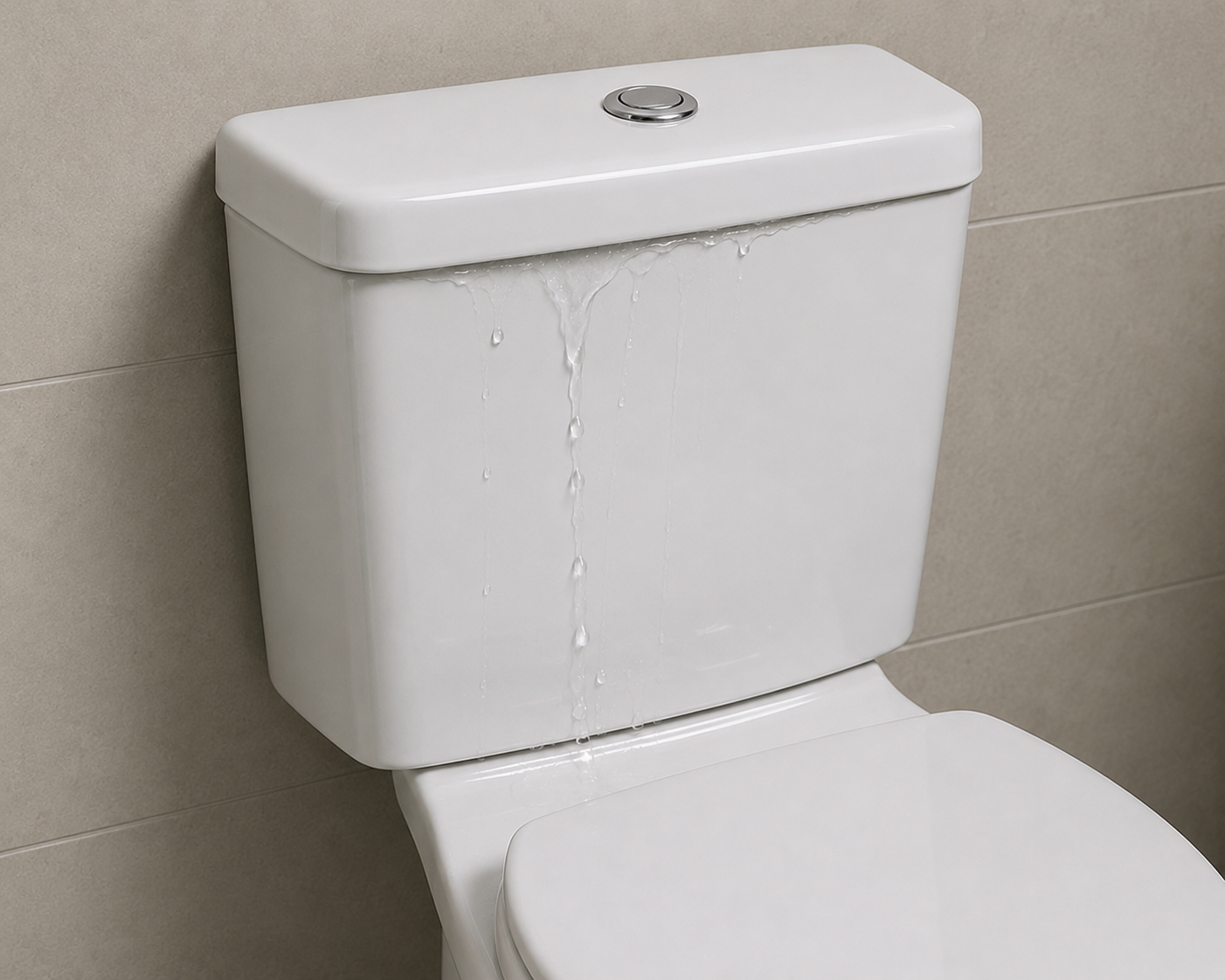
The coupled box is one of the most important components of the sanitary vessel. When it is working correctly, it releases the ideal amount of water for the discharge and helps to avoid waste. However, when a leak occurs, even if it is small, the damage can appear quickly on the water bill.
Many people only notice the problem when they hear a constant noise of running water or when they receive a much higher bill than normal. What few people know is that a simple defect in an internal piece can waste hundreds of liters of water per month.
In this article, you will discover the main causes of leaks in coupled boxes, learn to identify the problem, and know the best ways to solve the situation before it generates unnecessary expenses.
Leaking Coupled Box from the Inside
One of the most common problems occurs when water continuously escapes into the sanitary vessel.
In this case, the leak can go unnoticed for weeks or even months. Since the water is directed directly to the vessel, many people do not notice any evident signs.
The main causes include:
Worn-out sealing;
Damaged discharge mechanism;
Misadjusted float;
Excess dirt in the internal pieces.
To check if there is an internal leak, put a few drops of food coloring inside the coupled box and wait a few minutes without flushing. If the water in the vessel changes color, there is a leak.
Coupled Box Filling Without Stopping
Another very common problem occurs when the box continues to fill even after reaching the correct level.
Normally, this happens due to:
Defective float;
Incorrect adjustment;
Worn-out inlet valve;
Accumulation of residues.
In addition to water waste, this defect can increase the wear of the internal components.
If you hear the sound of water constantly entering, it is essential to investigate immediately.
Leak Between the Coupled Box and the Vessel
When the leak appears in the union region between the coupled box and the sanitary vessel, there is usually a problem with the sealing.
The most common causes are:
Dried-out rubber;
Loose screws;
Incorrect installation;
Natural wear of the pieces.
Ignoring this type of leak can cause infiltrations in the floor and damage to the bathroom coating.
How to Identify Hidden Leak in the Bathroom
Not all leaks are visible.
In many cases, the bathroom presents discreet signs that go unnoticed.
Be aware of:
Higher water bill;
Humidity near the vessel;
Mold on nearby walls;
Constant smell of humidity;
Always wet floor.
If you suspect a bigger problem, it is worth checking our article on hidden leaks and increased water bills.
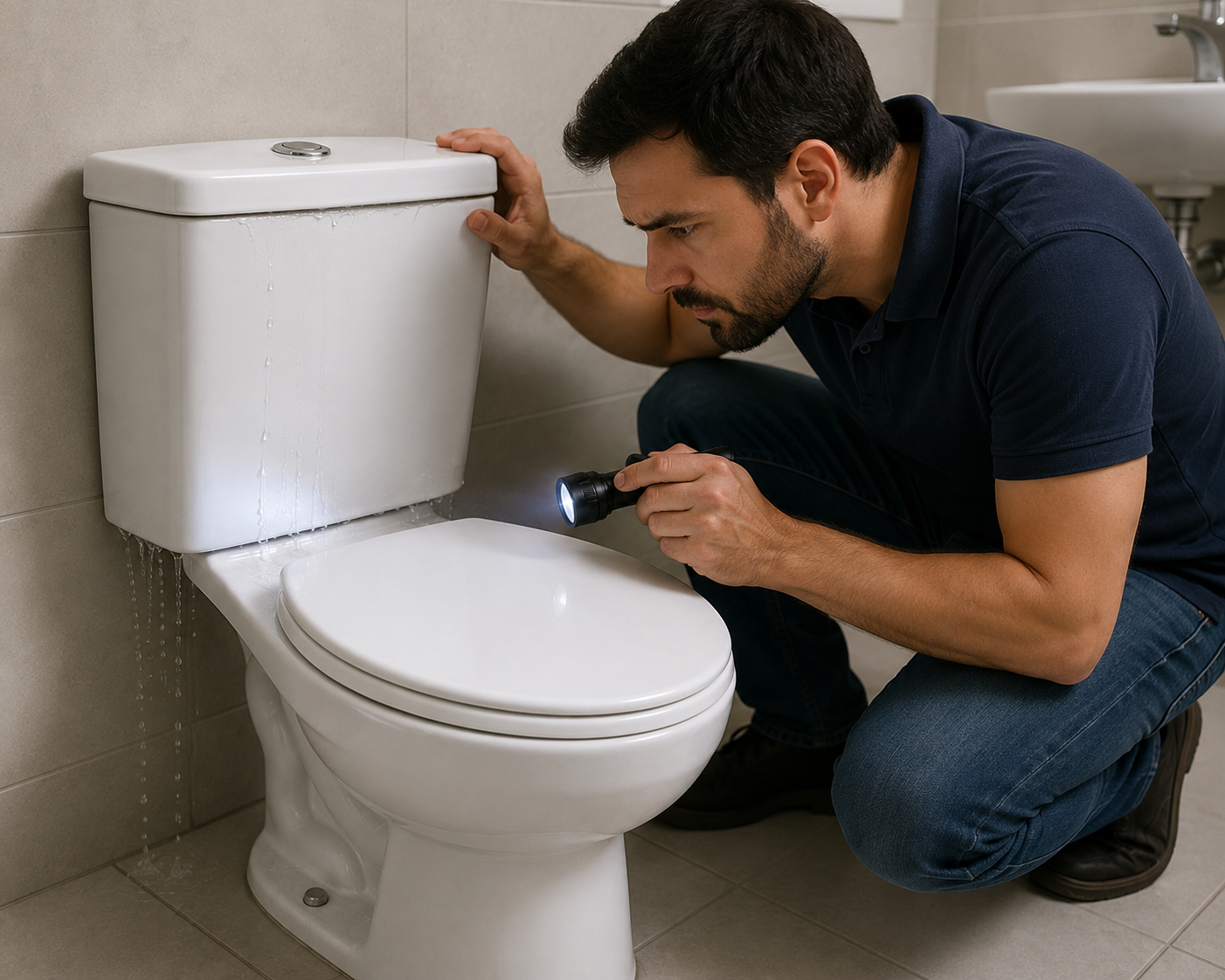
How Much a Leaking Vessel Wastes per Month
Many people underestimate the impact of a small leak.
Depending on the intensity, a leaking sanitary vessel can waste hundreds or even thousands of liters of water monthly.
In some cases, the increase in the bill can represent tens or hundreds of dollars throughout the year.
Therefore, fixing any leak quickly is one of the most efficient ways to save water and money.
In some cases, the water that escapes from the sanitary vessel can cause infiltrations in floors and walls.Also, see our guide on how to identify infiltrations before the damage increases.
How to Replace the Float of the Coupled Box
The float is responsible for interrupting the water entry when the box reaches the correct level.
When it has a defect, the filling can continue indefinitely.
Basic step-by-step:
Close the register.
Empty the box.
Remove the old float.
Install the new piece.
Adjust the adjustment.
Open the register again.
Test the operation.
The replacement usually is simple and can solve most of the leaks.
Recommended Product for Coupled Box Maintenance
If you identified wear on the internal pieces, replacing the mechanism can be the most economical solution.
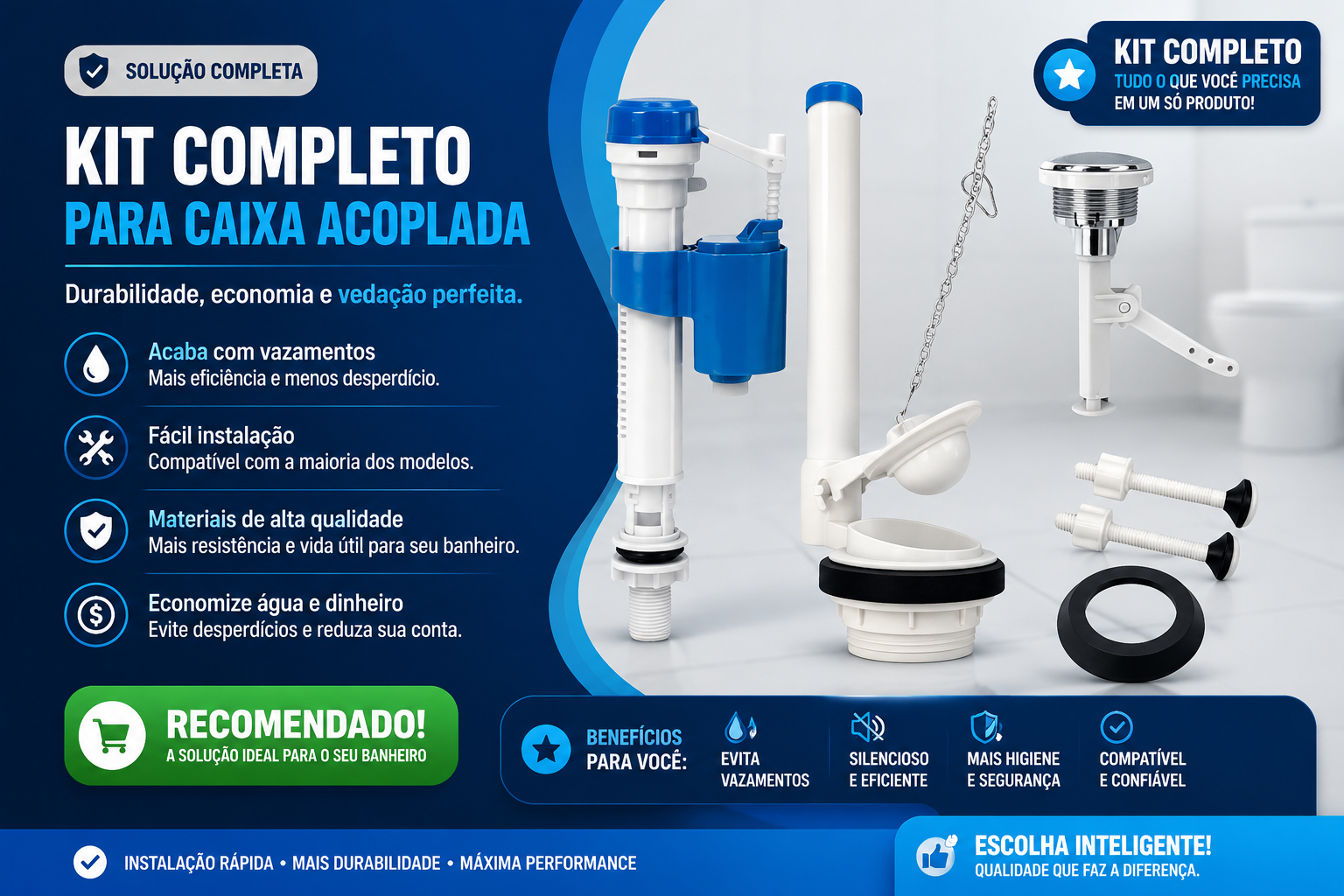
Know the complete specifications, compatibility, and product reviews before making the replacement.
Signs That the Problem Is Getting Worse
Some symptoms indicate that the leak should no longer be delayed.
Check if there is:
Water constantly running;
Wet floor near the vessel;
Continuous noises;
Malfunctioning discharge;
Frequent increase in the water bill.
The sooner the repair is done, the lower the costs will be.
How to Avoid Leaks in the Coupled Box
Prevention is always cheaper than repair.
Some measures help to prolong the useful life of the components:
Perform periodic inspections;
Clean the box regularly;
Avoid corrosive products;
Replace worn-out pieces;
Check the float adjustment.
These simple cares can avoid many future problems.
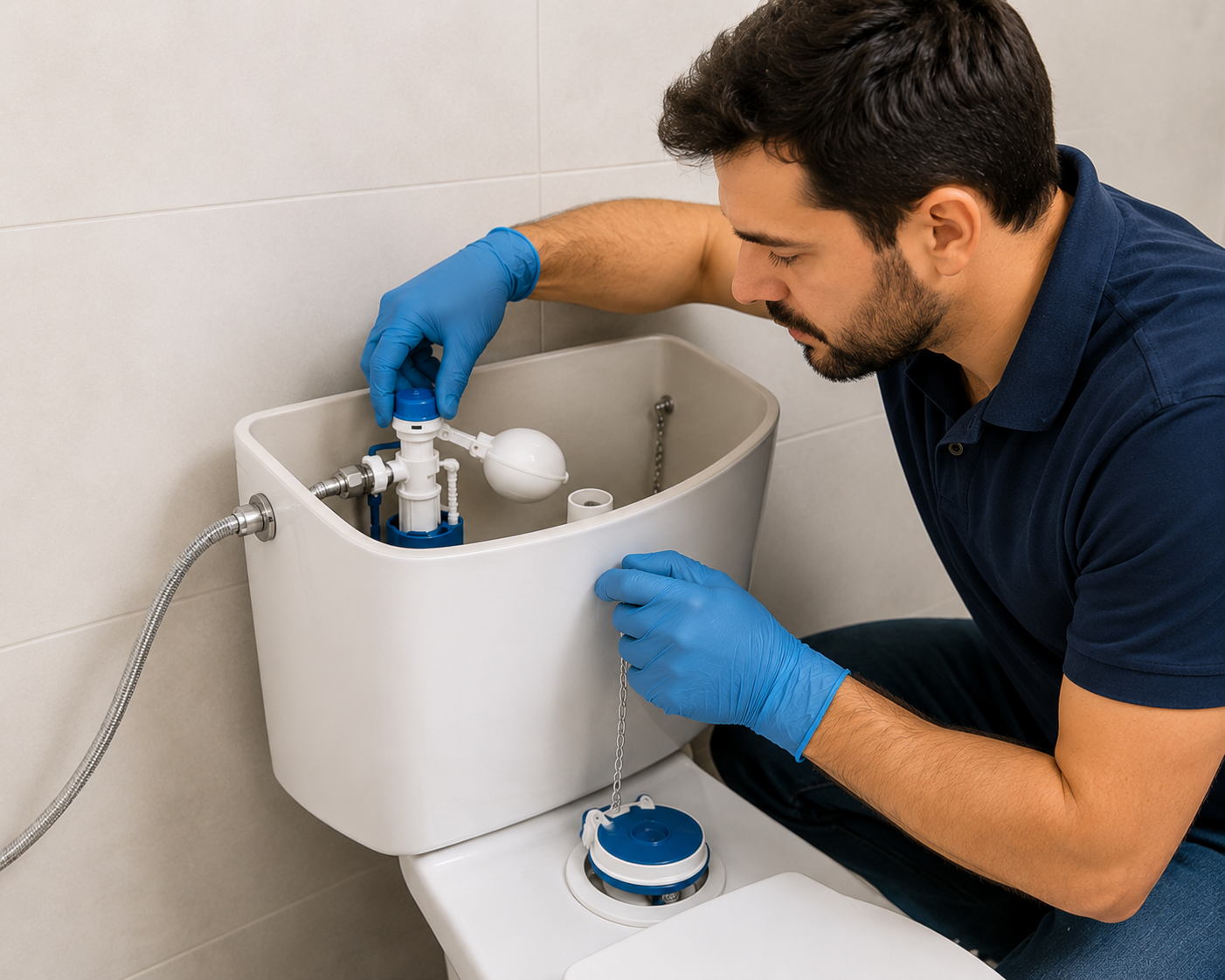
When to Call a Professional
Although some repairs are simple, there are situations that require specialized help.
Look for a professional when:
The leak continues after replacing the pieces;
There is infiltration in the floor;
The problem is inside the wall;
There is a suspicion of hidden leak;
The water consumption continues to increase.
A correct diagnosis avoids unnecessary expenses and guarantees a definitive solution.
Frequently Asked Questions
How to Know if the Coupled Box Is Leaking?
Check if there is water constantly running inside the vessel or do the test with dye.
What Makes the Coupled Box Fill Without Stopping?
Usually problems with the float, inlet valve, or incorrect adjustment.
Can I Replace the Float Alone?
Yes, in many cases the replacement is simple and can be done following the manufacturer's instructions.
Does a Small Leak Increase the Water Bill?
Yes. Even discrete leaks can generate significant waste over the month.
When Should I Replace the Entire Mechanism?
When several pieces show wear or when repairs do not solve the problem.
Can a Leak in the Coupled Box Cause Infiltration?
Yes. External leaks can reach floors and walls, causing structural damage.
Conclusion
A leaking coupled box can seem like a small problem, but the waste of water and financial losses can be significant over time. Fortunately, most defects are related to simple components, such as floats, valves, and seals.
By identifying the first signs of a leak, acting quickly is the best way to avoid unnecessary expenses and preserve the structure of the bathroom. Additionally, performing preventive maintenance helps to prolong the life of the system and reduce the risk of future problems.