
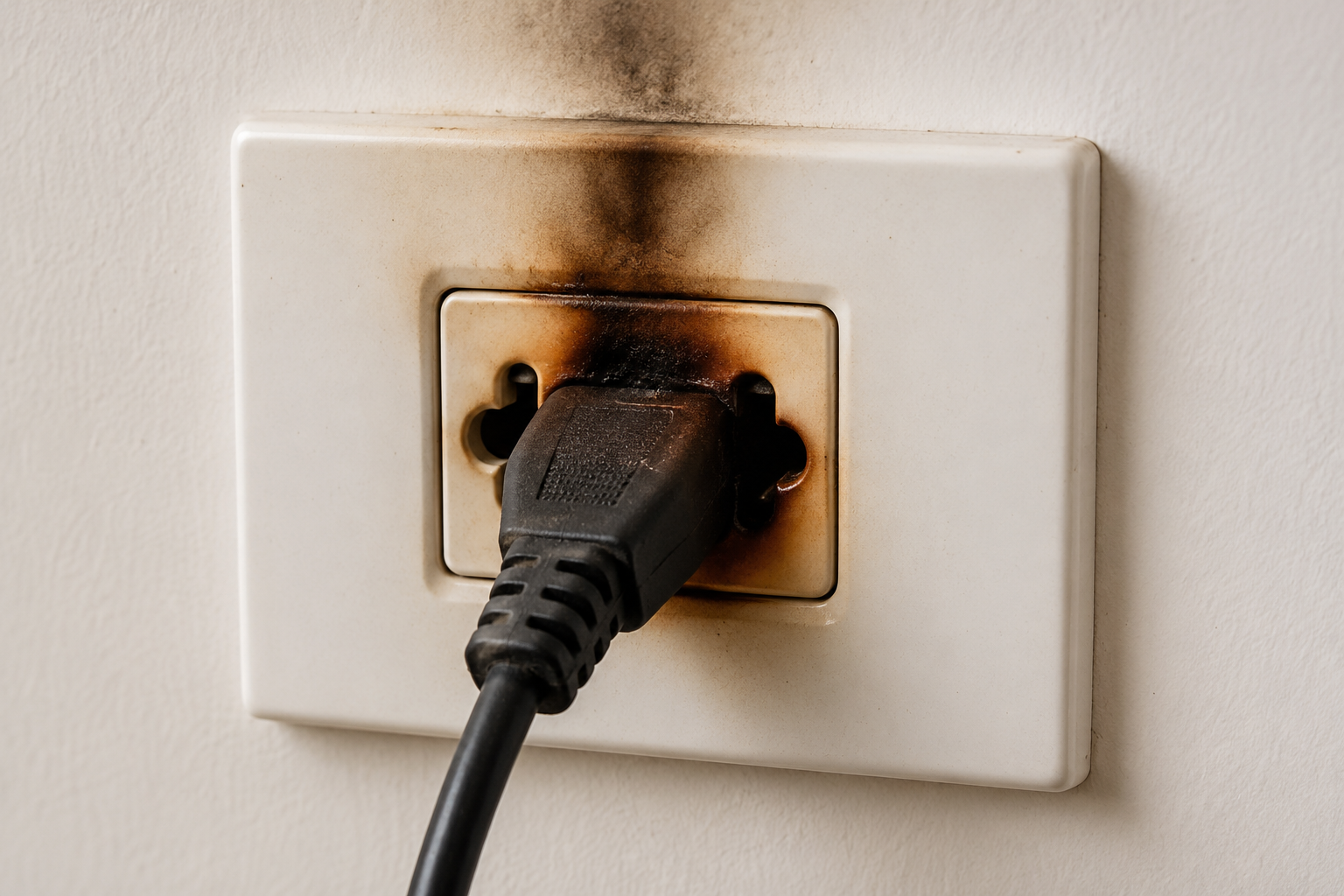
A heating outlet can seem like a simple problem, but often it is a warning sign that should not be ignored. Excessive heating can indicate electrical faults, power overloads, or even fire hazards.
Many people notice that the outlet is warm after using a device and do not pay attention to it. However, when the heat is excessive or frequent, it is essential to investigate the cause to avoid accidents and damage.
What Makes An Outlet Heat Up?
Heating occurs when the electric current encounters resistance when passing through the wires, connectors, or components of the electrical installation.
In small proportions, a level of heating can be considered normal, especially when using high-power devices. However, when the outlet becomes too hot to the touch, there is a problem that needs to be corrected.
The main causes include:
- Poor contact at the terminals;
- Loose wires;
- Electrical overload;
- Old installation;
- Outlets of poor quality;
- Faulty equipment.
Can A Heating Outlet Cause A Fire?
Yes. An outlet that is overheating can cause a short circuit and even a fire.
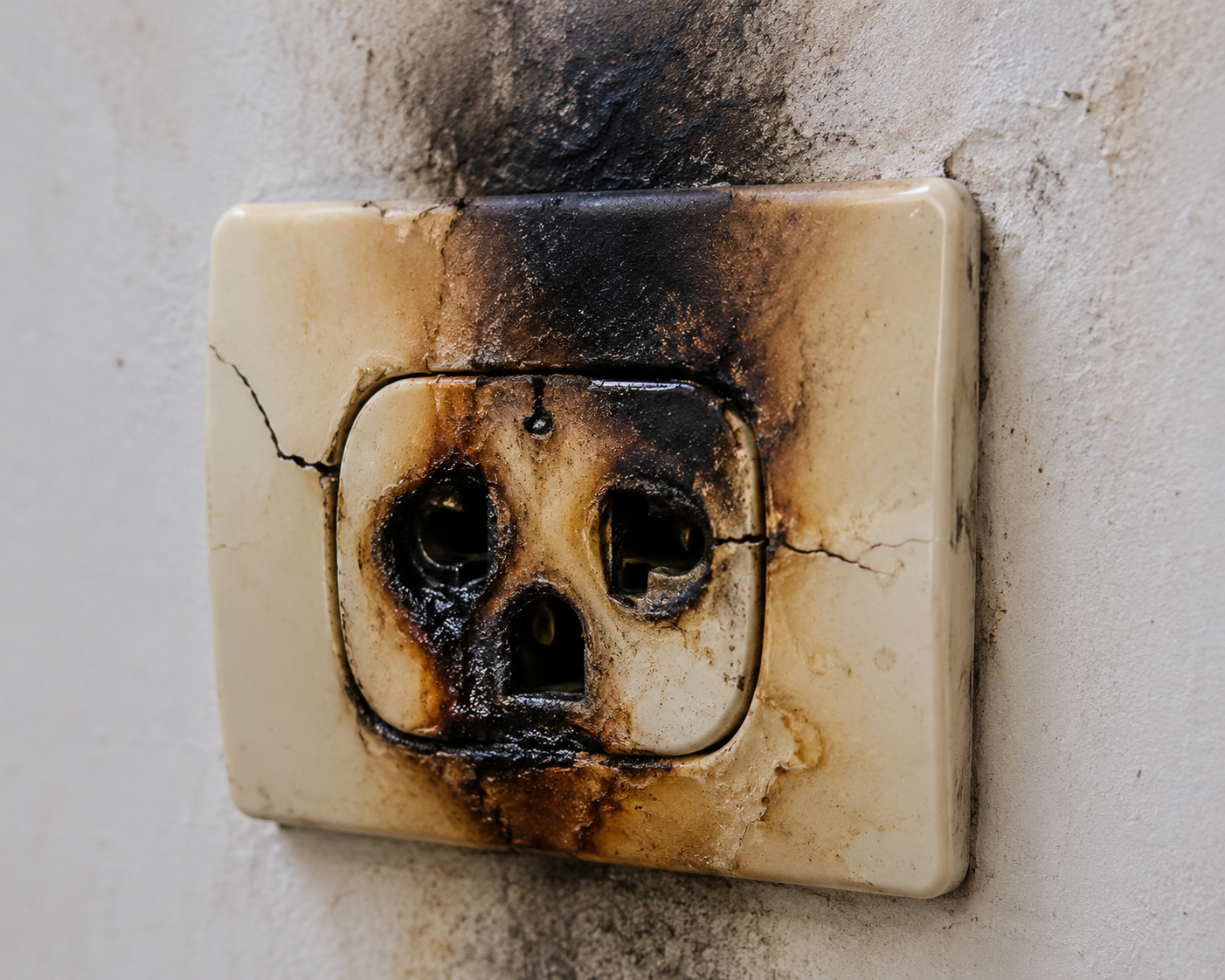
When there is poor contact, heating occurs due to electrical resistance. This heat can melt the plastic of the outlet, damage the electrical connections, and generate sparks.
If there are flammable materials nearby, such as curtains, furniture, or paper, the risk becomes even greater.
Read Also:
Home problems usually give signs before they become serious. Just like a heating outlet can indicate electrical faults, an unexpected increase in the water bill can be a sign of a hidden leak.
Has Your Water Bill Increased? 7 Signs Of Hidden Leak That You Should Never Ignore
How To Know If The Heating Is Above Normal?
An outlet can be slightly warm after using more powerful devices.
On the other hand, the problem deserves attention when:
- It is not possible to keep your hand on the outlet;
- The plastic is deformed;
- There is a burning smell;
- There are sparks or cracks;
- The plug is also very hot.
Electrical Overload Is One Of The Main Causes
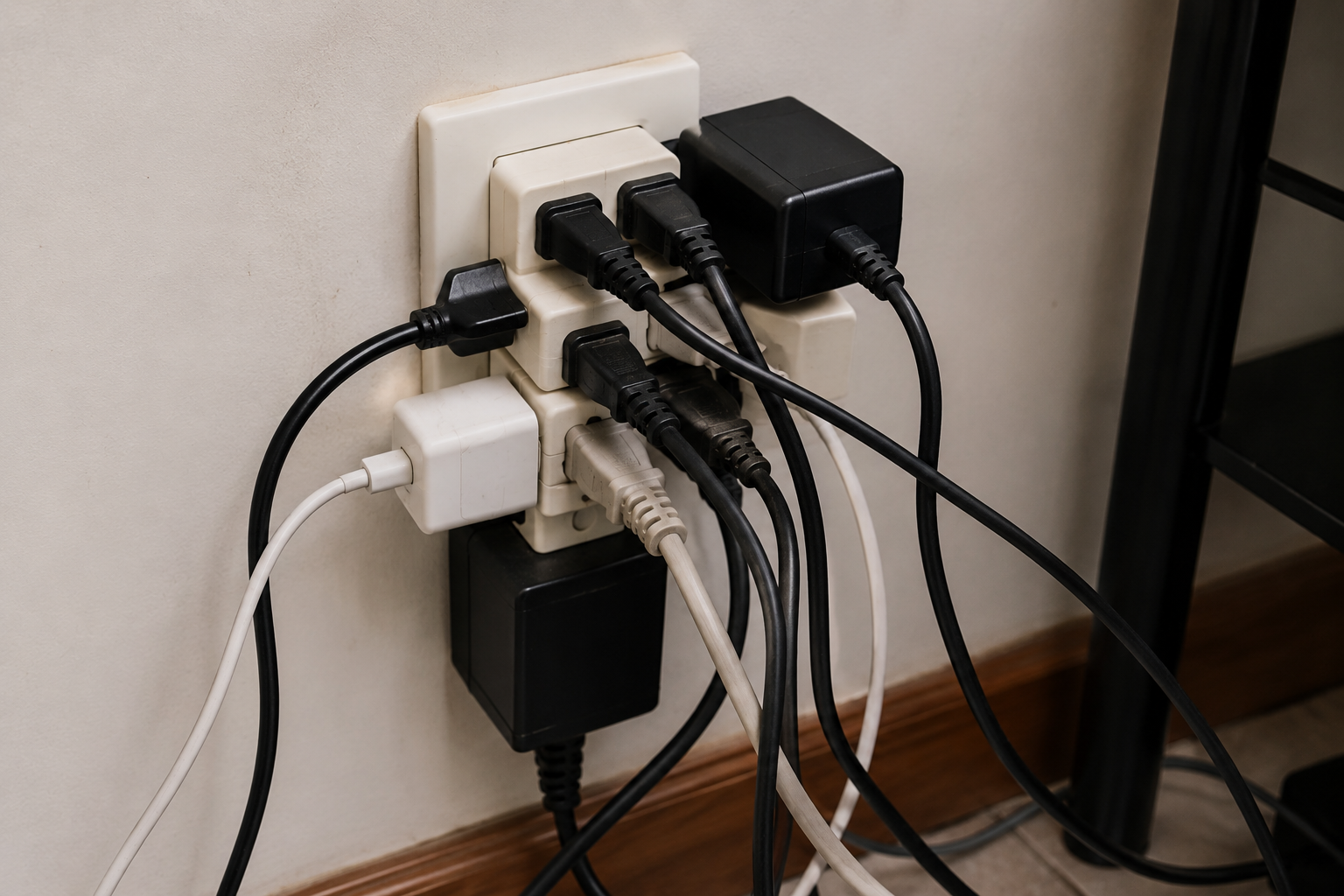
One of the most common causes is electrical overload.
This occurs when several devices are connected to the same outlet or extension, demanding more energy than the circuit can support.
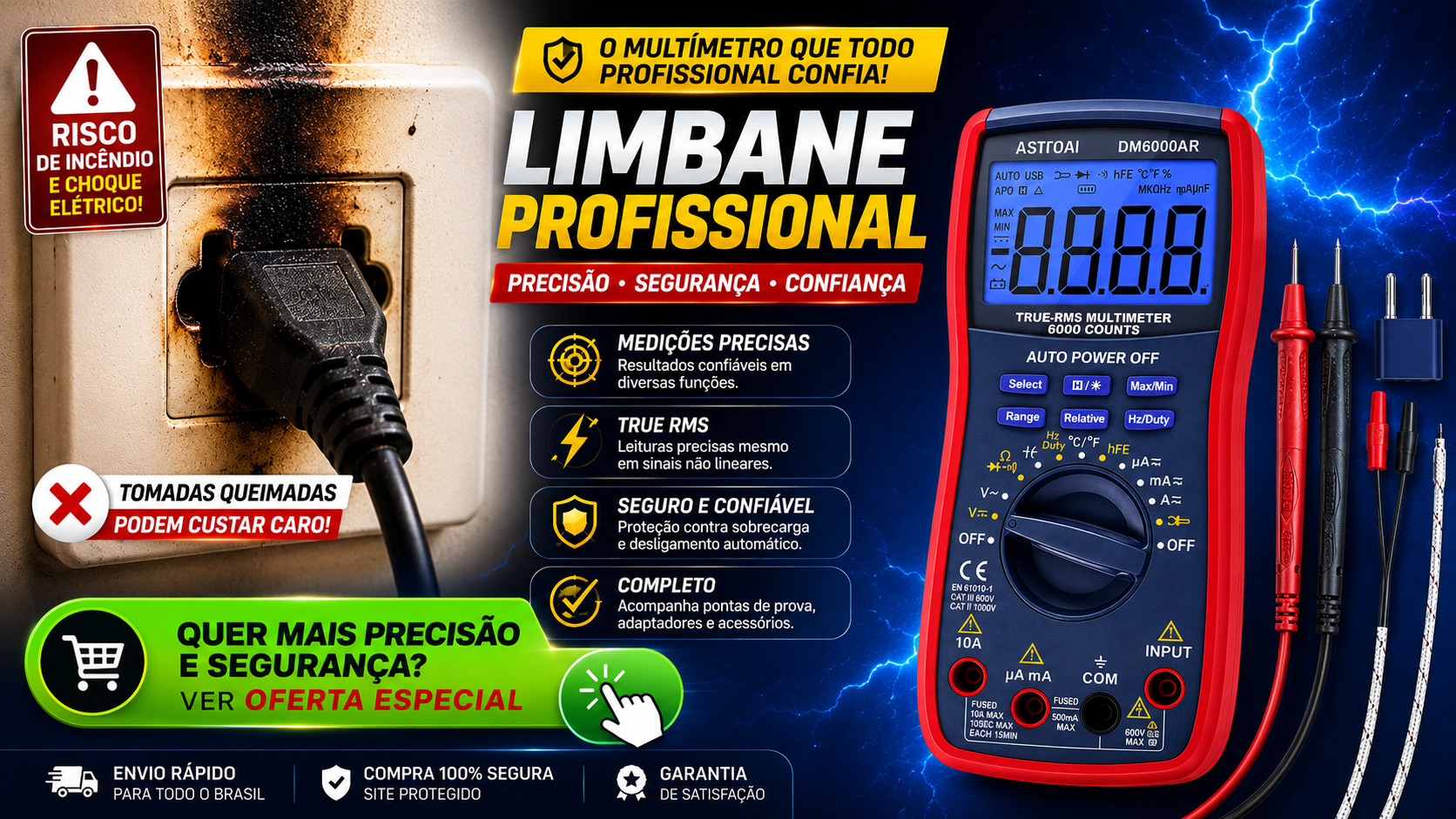
Recommended Product
If you want to check for possible electrical problems before they become serious, a digital multimeter can help identify basic voltage and continuity faults.
Loose Wires Can Make The Outlet Heat Up
Loose connections are extremely dangerous.
When the wires are not well tightened to the outlet terminals, the passage of the electric current generates excessive heat.
In addition to heating, failures and interruptions in the power supply can occur.
Old Outlets Represent A Greater Risk
Old houses often have electrical installations that were not designed for modern equipment.
An old installation can present:
- Undersized wires;
- Worn-out insulation;
- Deteriorated connections;
- Lack of registration.
Read Also:
Older houses also tend to have problems with moisture and deterioration of walls. If you notice stains, blisters, or peeling paint, it is worth understanding the causes of this problem. Peeling Wall : Main Causes And How To Solve
Extensions And Benjamins Can Increase Heating
The excessive use of adapters is another factor that contributes to the problem.
The greater the resistance, the greater the heating of the outlet and the electrical installation.
What To Do When The Outlet Is Too Hot?
When you notice that an outlet is overheating:
- Unplug the device;
- Avoid continuing to use the outlet;
- Check for signs of burning;
- Check if there is a burning smell;
- Seek professional help.
How To Avoid Outlets From Heating Up
Prevention is always the best solution.
Some important measures include:
- Do not overload outlets;
- Use certified products;
- Avoid excessive adapters;
- Perform periodic maintenance;
- Replace old outlets.
Read Also:
Preventive maintenance should not be limited to the electrical part only. Infiltration problems can compromise walls, paint, and even the structure of the residence.
How To Identify And Solve Wall Infiltration
When To Call An Electrician?
Not all heating requires urgent intervention, but there are situations that require immediate professional help.
Call an electrician when:
- The outlet melts;
- There is a burning smell;
- The circuit breaker trips frequently;
- There are sparks;
- There is smoke.
Useful Tool For Electrical Diagnosis
A digital multimeter can help in the identification of simple electrical problems and assist in the preventive maintenance of the residence.
Conclusion
A heating outlet should never be ignored. Although a slight heating can occur in certain situations, excessive heat usually indicates overload, poor contact, old installation, or defects in the electrical network.
When you notice signs such as a burning smell, deformed plastic, sparks, or intense heating, stop using the outlet immediately and try to identify the cause. Prevention and proper maintenance are essential to avoid short circuits, damage to equipment, and even fires.
Investing in the electrical safety of your home is one of the best ways to protect your family and your property. Small signs ignored today can become big problems tomorrow.